
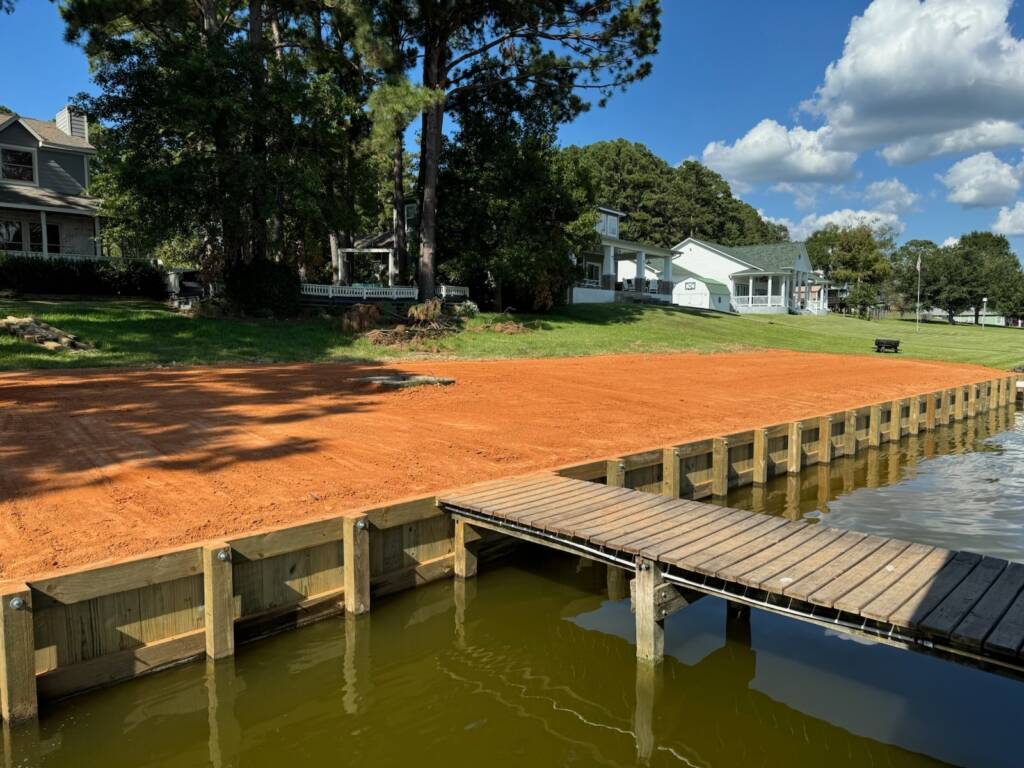
Working near water changes how everything behaves. The ground feels different, movement is less predictable, and even simple steps take a bit more attention than usual. When projects reach this stage, many teams decide to Contact Marine Bulkhead early, just to understand how these conditions might shape the work ahead. It is not always about difficulty, but more about how quickly things can shift without clear warning.
Coordination between field and design teams
This is where things get slightly layered. The design team plans based on reports and models, while the field team deals with what is actually happening on site. And those two do not always match perfectly.
So there is constant back and forth. Small updates, minor corrections, quick discussions. It is not dramatic, but it never fully settles into a fixed pattern either.
Adjustments made during ongoing work
Once work begins, the plan starts to shift a little. Not completely, just in parts. Depth may change. Materials may be adjusted. The pace might slow down in certain areas.
These changes are not always planned in advance. They come from observation. From noticing that something feels slightly off. And sometimes that instinct matters more than the original design.
Handling unexpected environmental changes
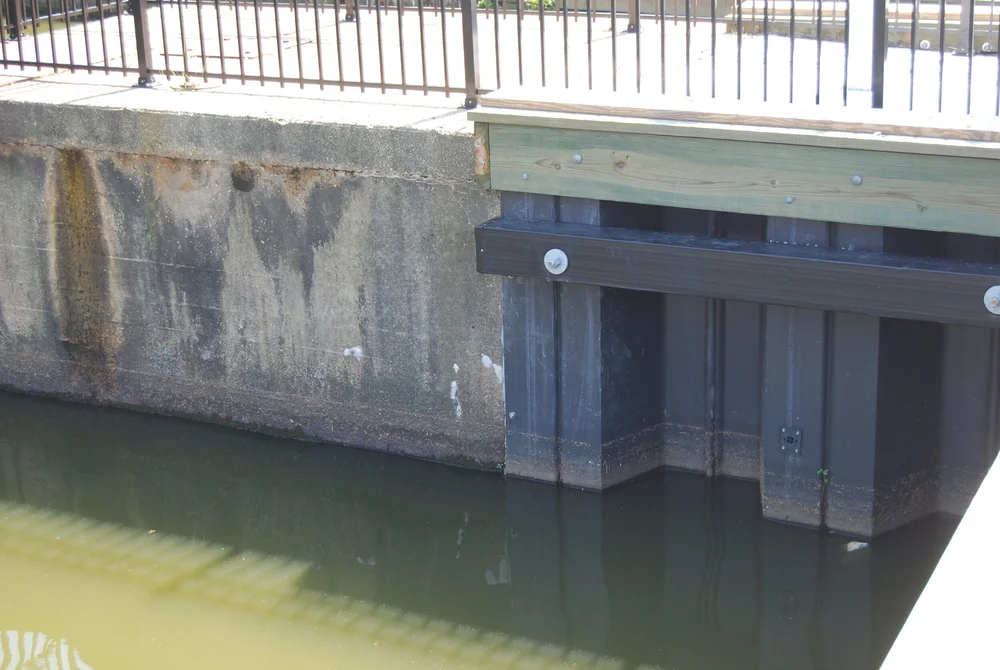
Weather plays a role here too. Rain, tides, even nearby activity can influence how the site behaves.
- Water levels may rise faster than expected
- Soil may loosen in certain patches
- Access to parts of the site may become limited
So teams stay flexible. Plans are kept open enough to adapt when needed. Not everything can be locked in from the beginning.
Where experience quietly takes over
There comes a point where plans and reports are not enough. Experience starts guiding decisions.
Someone notices a slight change in soil response. Another adjusts the process without needing a full discussion. It is not always written down. It just happens.
And in many of these projects, when teams Contact Marine Bulkhead, they are not only looking for a service but also that kind of practical understanding that comes from having seen similar conditions before.
A process that stays flexible till the end
Even near completion, things do not become completely fixed. There is always a level of adjustment, however small.
Water conditions continue to change. The ground continues to respond. So the process remains slightly open, right until the structure is fully set. And even then, it is less about forcing control and more about working with what the environment allows.