

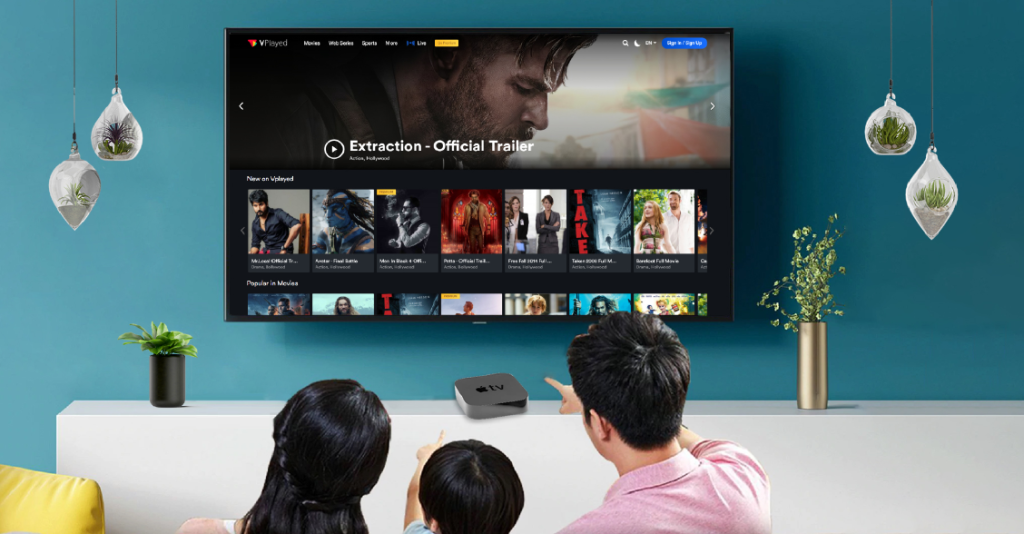

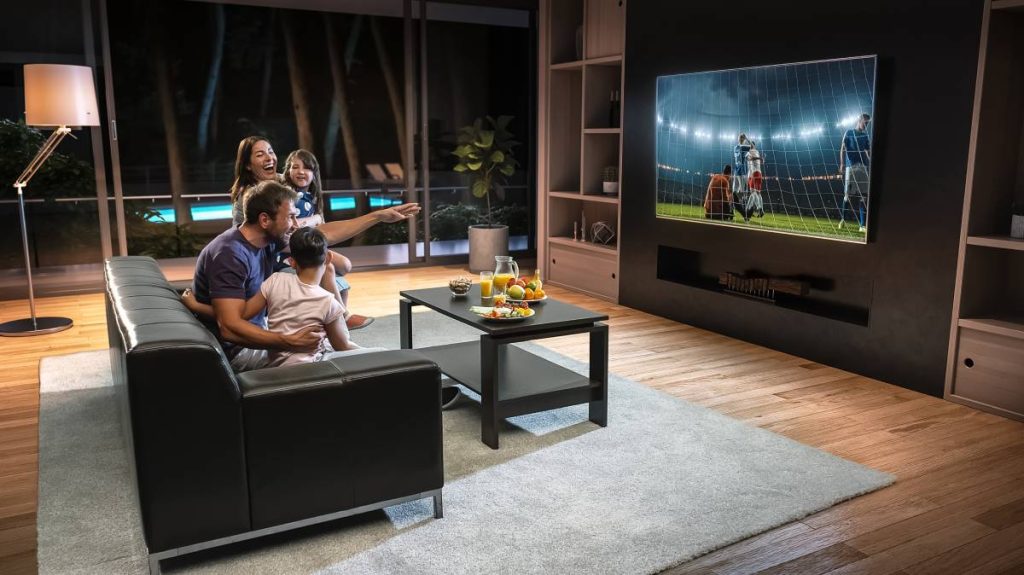
Clear channel access with smooth picture quality matters for households enjoying regular indoor entertainment during busy evenings. IPTV viewing supports shared screen use through flexible connection methods across different household devices. Careful comparison helps people avoid loading issues and enjoy dependable daily viewing at home with IPTV FULL GUIDE supporting smoother entertainment access.
Stable Channel Performance
Strong channel stability keeps viewing sessions smooth during crowded streaming periods. Clear picture output with quick loading helps households enjoy programs without sudden pauses across multiple displays throughout long viewing hours.
- Fast channel loading supports steady viewing during crowded evening sessions
- Sharp picture clarity improves screen quality across larger indoor displays
- Reliable network balance prevents random pauses during important live broadcasts
- Smooth playback handling reduces screen freezing during extended household watching
- Simple connection setup supports easy use across different family devices
Flexible Viewing Features
Useful viewing features help households manage channels through simple navigation methods. Easy controls support quick movement between categories while keeping screen transitions smooth during longer usage periods. Many providers also include recording choices with language controls for broader accessibility among different age groups.

Device Connection Support
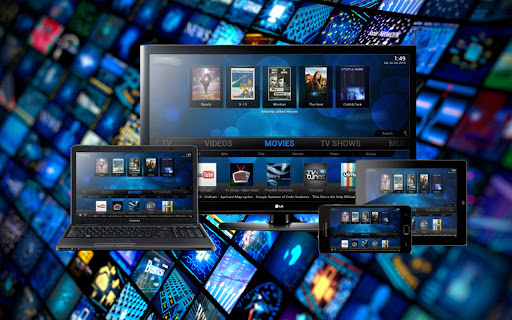
Good device support allows households to watch programs through various display options without connection trouble. Flexible compatibility improves usage across modern screens with portable equipment during shared indoor gatherings. Some providers also offer clear setup guidance for smoother installation across multiple household systems.
Simple Payment Options
Easy payment methods help households manage monthly viewing costs without confusion. Clear renewal terms with fair pricing support better planning for regular indoor entertainment activities across changing financial situations. IPTV FULL GUIDE often highlights payment flexibility through simple account management with transparent billing details for households seeking dependable viewing access during longer usage periods.
- Clear billing details support better monthly planning for household entertainment needs
- Flexible renewal choices reduce pressure during changing personal spending situations
- Simple account controls improve access management through secure profile handling
- Fair pricing structure supports balanced spending without hidden additional charges
- Quick payment confirmation prevents delays during important evening viewing schedules
Helpful Customer Guidance
Strong customer guidance improves confidence during setup or technical difficulty periods. Quick responses help households solve picture problems with fewer delays throughout regular viewing sessions. Clear instructions also support smoother navigation for older family members using modern streaming systems during longer indoor gatherings.
Better Viewing Choices
Selecting suitable viewing support requires careful attention toward stability, feature variety, payment flexibility, and dependable assistance throughout regular usage periods. Households benefit from comparing picture clarity device compatibility with connection strength before making decisions for indoor entertainment needs. Thoughtful evaluation reduces unexpected trouble while supporting smoother channel access during shared family gatherings across different screens through longer daily viewing schedules.
FAQs
Which viewing option supports smoother picture quality during crowded evening periods?
Reliable providers maintain a stronger connection balance across extended household viewing sessions.
Why do flexible payment choices help households manage regular entertainment expenses?
Simple renewal methods support easier budgeting during changing monthly spending conditions.
What feature improves navigation for older household members using screens?
Clear menu controls support faster channel movement during regular viewing activities.















































 Gastroscopy procedure