
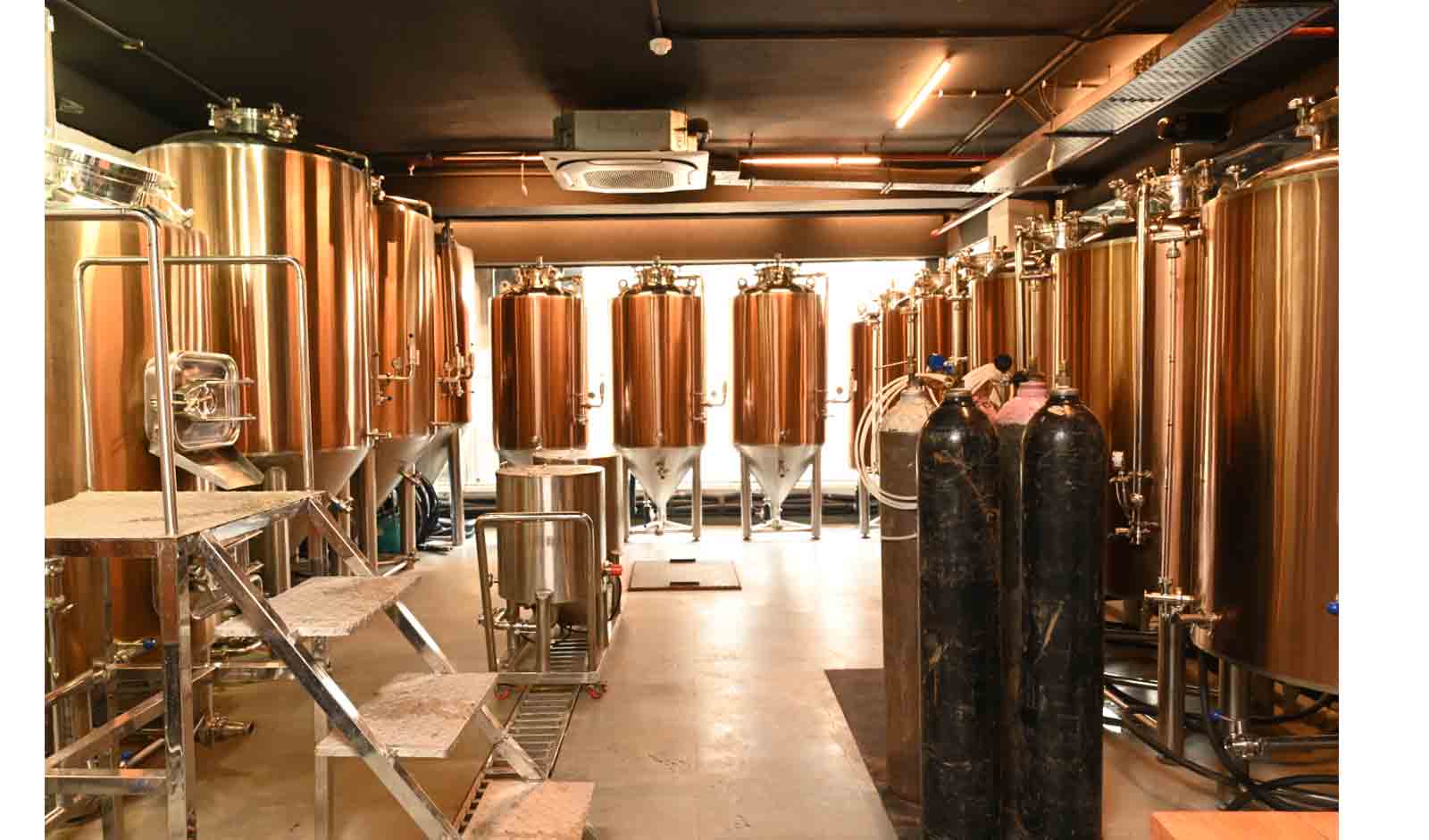
Craft beer has exploded in popularity over the past few years, with more breweries opening every day, producing beers that range from the traditional to the experimental. Whether you’re a seasoned beer connoisseur or someone just getting into the world of craft brewing, this industry offers something for everyone. But what is it about craft beer that has taken the world by storm, and how can you dive into the world of brewing your own beer?
The Rise of Craft Beer
The craft beer movement began as a rebellion against mass-produced beers that lacked character and depth. In the 1980s, small, independent breweries began popping up, creating unique beers that focused on quality, flavor, and innovation. Unlike the mass-produced options, craft beers were brewed with a personal touch and a commitment to making distinctive, flavorful beverages.
Today, craft beer has become mainstream, with over 8,000 craft breweries in the United States alone, according to the Brewers Association. These breweries produce everything from IPAs (India Pale Ales) and stouts to sours and fruit-infused beers. The diversity of flavors, ingredients, and brewing techniques has made craft beer accessible to all types of beer drinkers.
What Makes Craft Beer Different?
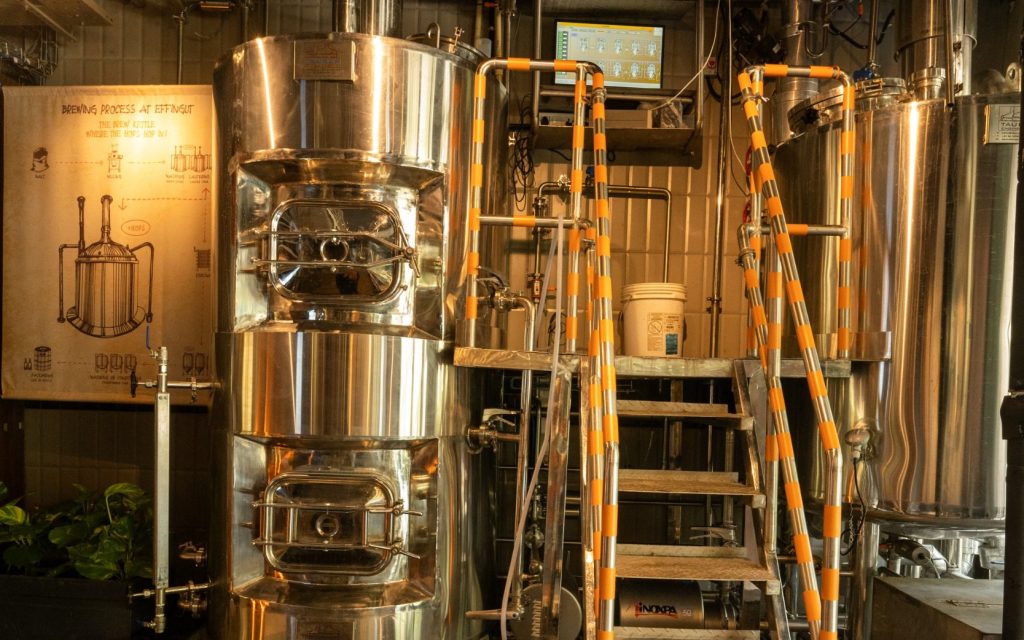
The key difference between craft beer and mass-produced beer lies in the production process and ingredients. Craft brewers typically use high-quality, natural ingredients, often sourcing them locally. The brewing process for craft beer tends to be more hands-on, with brewers experimenting with different hops, malts, yeasts, and other ingredients to create unique flavor profiles.
In contrast, mass-produced beers are made in large quantities with an emphasis on consistency and cost-efficiency. While they might be more affordable and widely available, they often lack the complexity and flavor that craft beer offers.
Craft beer is also about experimentation. Small breweries are not bound by the constraints of mass production, allowing them to try out new techniques, ingredients, and beer styles that larger companies might not be able to afford or take risks on. This sense of creativity and innovation is what has made craft beer so appealing to a growing number of drinkers.
The Craft Beer Community
One of the most exciting aspects of the craft beer movement is the sense of community it fosters. Breweries often act as gathering places for like-minded individuals, where they can sample new beers, meet fellow enthusiasts, and learn more about the brewing process. Many craft breweries host events, tastings, and festivals that bring people together to celebrate the world of beer.
Social media has played a significant role in spreading the word about new craft beers and breweries. Platforms like Instagram have become a hub for beer lovers to share photos, reviews, and recommendations. Hashtags like #craftbeer and #beerlovers have created a sense of camaraderie among beer drinkers and helped small breweries gain recognition on a global scale.
For those who enjoy both beer and games, Board Game Duel can add another layer of fun to your craft beer experience. Playing games with friends while sampling a variety of craft beers can lead to lively conversations, shared laughs, and, of course, a deeper appreciation for the intricacies of different brews.
How to Start Brewing Your Own Beer
Brewing your own beer is a fun and rewarding hobby that allows you to experience the craft beer world on a deeper level. Whether you’re interested in brewing a simple pale ale or an intricate IPA, there are a few basic steps to follow:
- Choose Your Recipe: The first step in homebrewing is choosing a beer recipe. You can find many recipes online or in homebrewing books, ranging from beginner to advanced levels. Kits are also available that include all the ingredients you’ll need for your first batch.
- Gather Your Equipment: Homebrewing requires a few essential tools, including a fermentation vessel, brewing kettle, airlock, and bottles or kegs for storage. Most homebrew shops offer starter kits that come with all the necessary equipment.
- Brew the Beer: The brewing process involves boiling the ingredients (malts, hops, and water), cooling the mixture, adding yeast, and then letting it ferment. Fermentation is where the magic happens as the yeast converts sugars into alcohol and carbon dioxide.
- Bottle or Keg: Once the beer has fermented and matured, it’s time to bottle or keg it. Proper bottling is essential to ensure the beer has the right carbonation and flavor.
- Taste and Adjust: After your first batch, you’ll want to try different variations—changing the amount of hops, trying new malts, or adjusting the fermentation time. This process is part of the fun of brewing, and as you gain more experience, you’ll be able to refine your technique and make even better beer.
The Role of Innovation in Craft Beer
Craft beer is synonymous with innovation. Many breweries are constantly experimenting with new ingredients, brewing techniques, and even flavors to surprise and delight their customers. For example, some brewers have begun using unusual ingredients like coffee, chocolate, fruit, and spices to create one-of-a-kind flavors that challenge the traditional notions of what beer should taste like.
Barrel-aging is another trend that has gained popularity among craft brewers. By aging beer in barrels that previously held wine, whiskey, or rum, brewers can impart new flavors and aromas to their beer, creating complex and nuanced profiles.
The Future of Craft Beer
The future of craft beer looks promising. With the rise of online beer sales and beer delivery services, more consumers will be able to access a wide variety of craft beers from breweries across the country. This also opens the door for smaller, lesser-known breweries to reach a larger audience.
We can also expect to see more innovations in brewing technology, which will make it easier for brewers to create high-quality beers more efficiently. Additionally, sustainability practices such as using renewable energy sources, reducing water usage, and sourcing local ingredients will become even more prevalent in the craft beer industry as consumers demand more environmentally conscious practices.
Conclusion
Craft beer is more than just a drink; it’s a community, an art form, and a celebration of innovation. Whether you’re enjoying a local IPA, experimenting with your own homebrews, or playing games like Board Game Duel while sampling a variety of brews, the world of craft beer offers endless opportunities for exploration and enjoyment.
With a continued focus on quality, sustainability, and creativity, the future of craft beer is bright. So, grab a glass, explore a new brewery, or start brewing your own beer today—there’s a whole world of flavors waiting for you.