
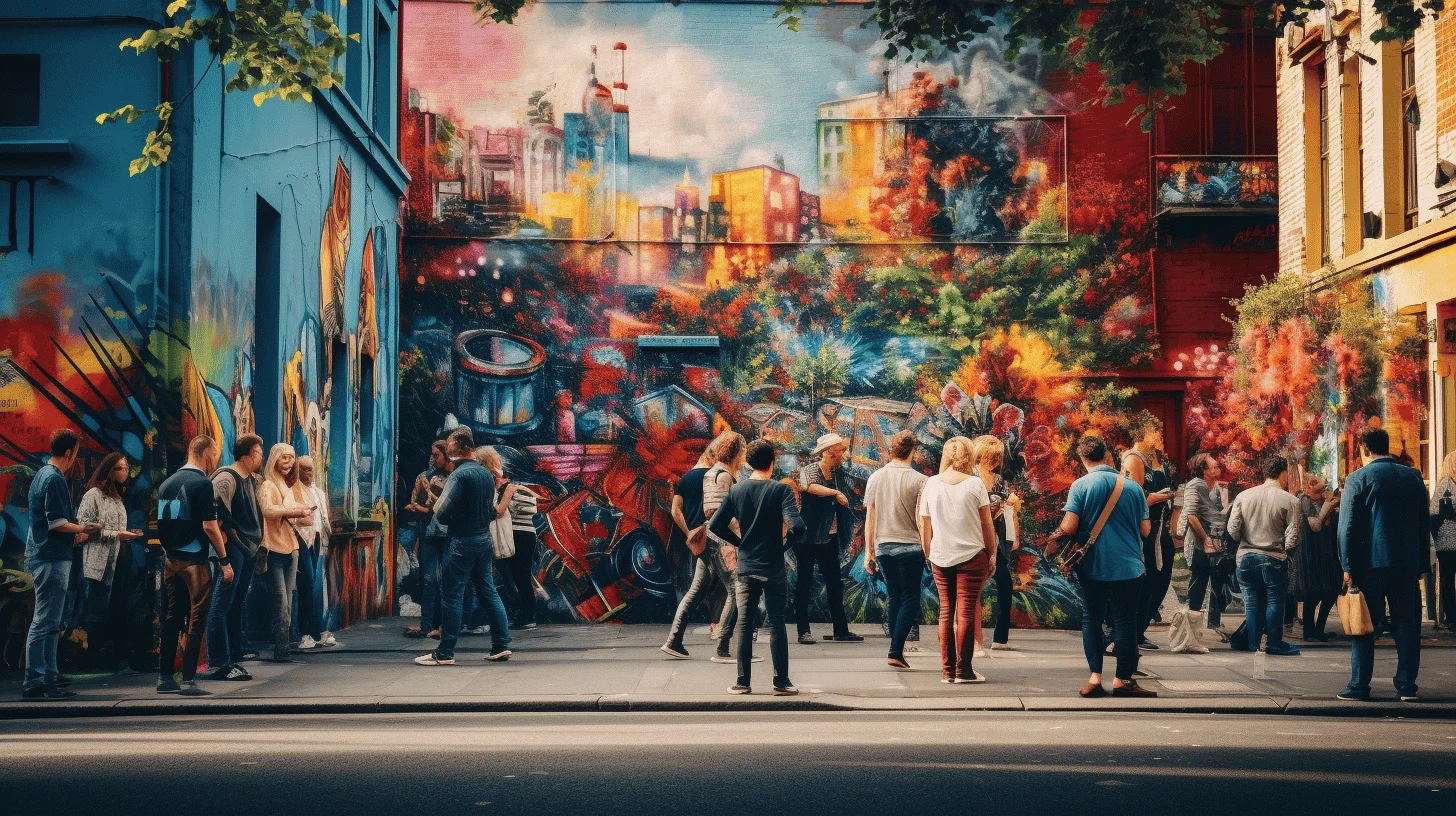
Street photography is one of the most dynamic and culturally rich genres in the world of visual storytelling. It’s raw, unpredictable, and deeply human. Unlike studio photography — where lighting, posing, and environment are controlled — street photography relies on instinct, timing, curiosity, and an honest connection with the world around you. Every street, every corner, and every sidewalk holds a potential story. The photographer’s job is to see what others overlook.
For many modern artists, including creators associated with Noan Photography, street photography represents a blend of documentary truth and artistic interpretation. It’s not just about photographing strangers in public; it’s about capturing the essence of life as it unfolds — the emotions, the chaos, the humor, the solitude, and the unplanned interactions that define everyday existence.
The Heart of Street Photography: Candid Human Moments
Street photography is anchored in authenticity. The most powerful images are the ones that freeze real life without interference. That doesn’t mean the photographer is invisible, but rather that they are a mindful observer, letting life happen naturally.
Why candidness matters:
- It reveals genuine emotion
- It captures cultural truth
- It preserves everyday moments that might otherwise disappear
- It invites viewers to interpret the story behind the image
Great street photography connects humanity across time and place.
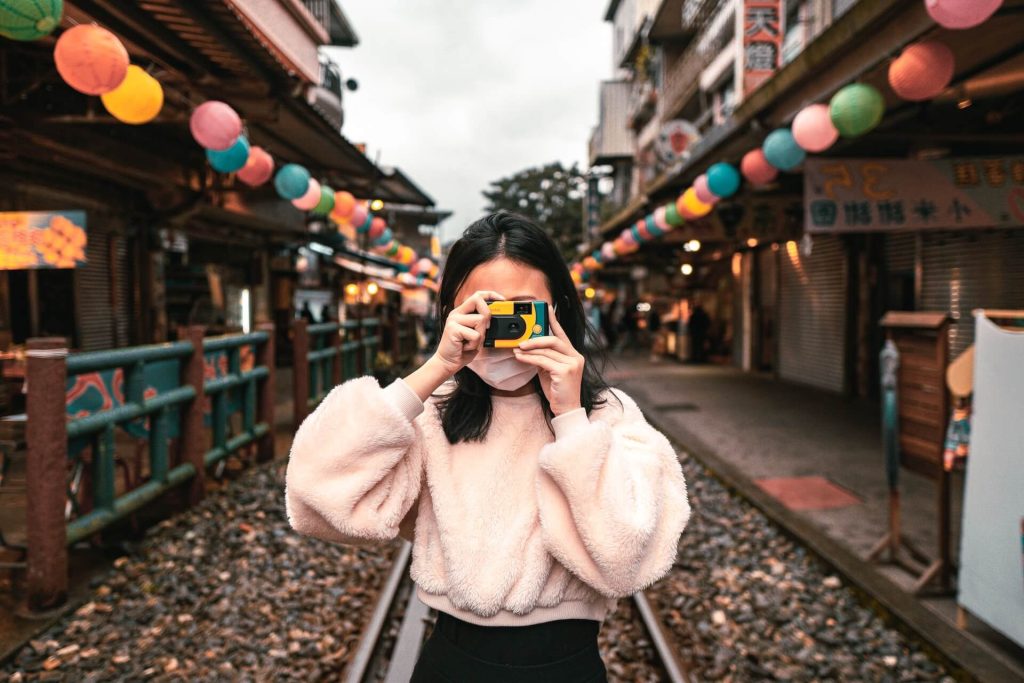
How Street Photography Has Evolved
Street photography has evolved significantly over the last century. Early pioneers such as Henri Cartier-Bresson and Vivian Maier taught the world the value of timing and observation. Their images often focused on poetic moments — children playing, quiet reflections, and geometric patterns in public spaces.
Today, street photography has expanded in style, purpose, and technology.
1. The Shift from Film to Digital
Film photography demanded patience and precision. Digital cameras introduced freedom:
- Unlimited shots
- Instant review
- Better low-light performance
This democratized the genre, making it accessible even to beginners.
2. Smartphones Changed Everything
With high-quality phone cameras:
- Anyone can practice street photography
- Spontaneous moments are easier to capture
- Social media provides instant sharing
Instagram helped revive global interest in the genre.
3. Modern Styles Emerging
Contemporary street photography now includes:
- Abstract shadows
- Color-focused minimalism
- High-contrast urban scenes
- Humorous coincidences
- Environmental storytelling
Some photographers even blend street and portrait styles for hybrid artistic expression.
The Importance of Observation
Street photography is less about settings and more about awareness. To capture meaningful moments, photographers must train their eyes to notice:
- Symmetry in architecture
- Interesting faces
- Juxtaposition
- Reflections
- Humor in daily life
- Motion and energy
- Emotional expressions
It’s about slowing down in fast environments.
Techniques for Better Street Photography
Mastering street photography requires both technical and emotional skills. Here are essential techniques:
1. Learn to Anticipate Action
Instead of reacting, observe people’s behavior and predict what might happen next.
2. Use a Small, Unobtrusive Camera
Smaller cameras:
- Attract less attention
- Help subjects act naturally
- Allow faster shooting
Focal lengths like 28mm and 35mm are ideal for street work.
3. Shoot From the Hip
Not all street photographers raise the camera to their eye. Shooting from the hip allows:
- Candid angles
- More natural behavior from subjects
- Quick reactions
Practice is required to frame accurately.
4. Master Light and Shadow
Urban environments create fascinating patterns:
- Hard noon shadows
- Window reflections
- Neon lights
- Backlit silhouettes
Using contrast helps create dramatic, graphic images.
5. Use Burst Mode Wisely
Street moments happen in fractions of a second. Burst mode increases your chances of catching the perfect expression or gesture.
6. Experiment With Motion Blur
Motion blur adds energy and emotion. Slow shutter speeds create:
- Light trails
- Moving crowds
- Dynamic storytelling
This technique transforms ordinary scenes into artistic interpretations.
Ethics in Street Photography
Ethics play a major role in modern street photography. While laws in many countries allow photographing people in public spaces, ethical considerations still matter.
Respect matters.
If someone seems uncomfortable, consider lowering your camera.
Children require caution.
Photographing minors in public should always be done respectfully.
Avoid exploiting vulnerable individuals.
Street photography should honor, not take advantage of, subjects.
Being compassionate makes you a better storyteller.
Editing Street Photography
Editing helps refine the mood of your image without altering its authenticity.
Key adjustments include:
- Contrast
- Exposure
- Shadows and highlights
- Color grading or black-and-white conversion
- Cropping for stronger composition
Black-and-white remains a popular choice because it isolates emotion and structure.
Final Thoughts
Street photography is more than pointing a camera at random scenes—it’s a practice in seeing. It trains you to appreciate fleeting moments, human unpredictability, and the emotional layers in everyday environments. As you develop your observational skills, your images will begin to reveal deeper stories that resonate with viewers.
Whether you’re walking through busy city streets, quiet alleys, or local markets, the world offers endless opportunities to capture life in motion. Stay curious. Stay patient. And always be ready — the next great moment might be one step away.